The short answer
Quartz countertop production normally combines more than one operation. The key is to define which equipment owns straight slab sizing, sink and tap openings, mitres, edge profiles and final polishing, then match the handoffs to the target output.
Material, finished geometry, required edge, output and factory conditions define a useful machine recommendation.
Build the countertop route
Use a CNC stone cutting machine for primary slab sizing and repeat geometric components when the working envelope and cutting functions fit the job.
Use a waterjet where internal openings, curved pieces or narrow internal corners make blade cutting unsuitable.
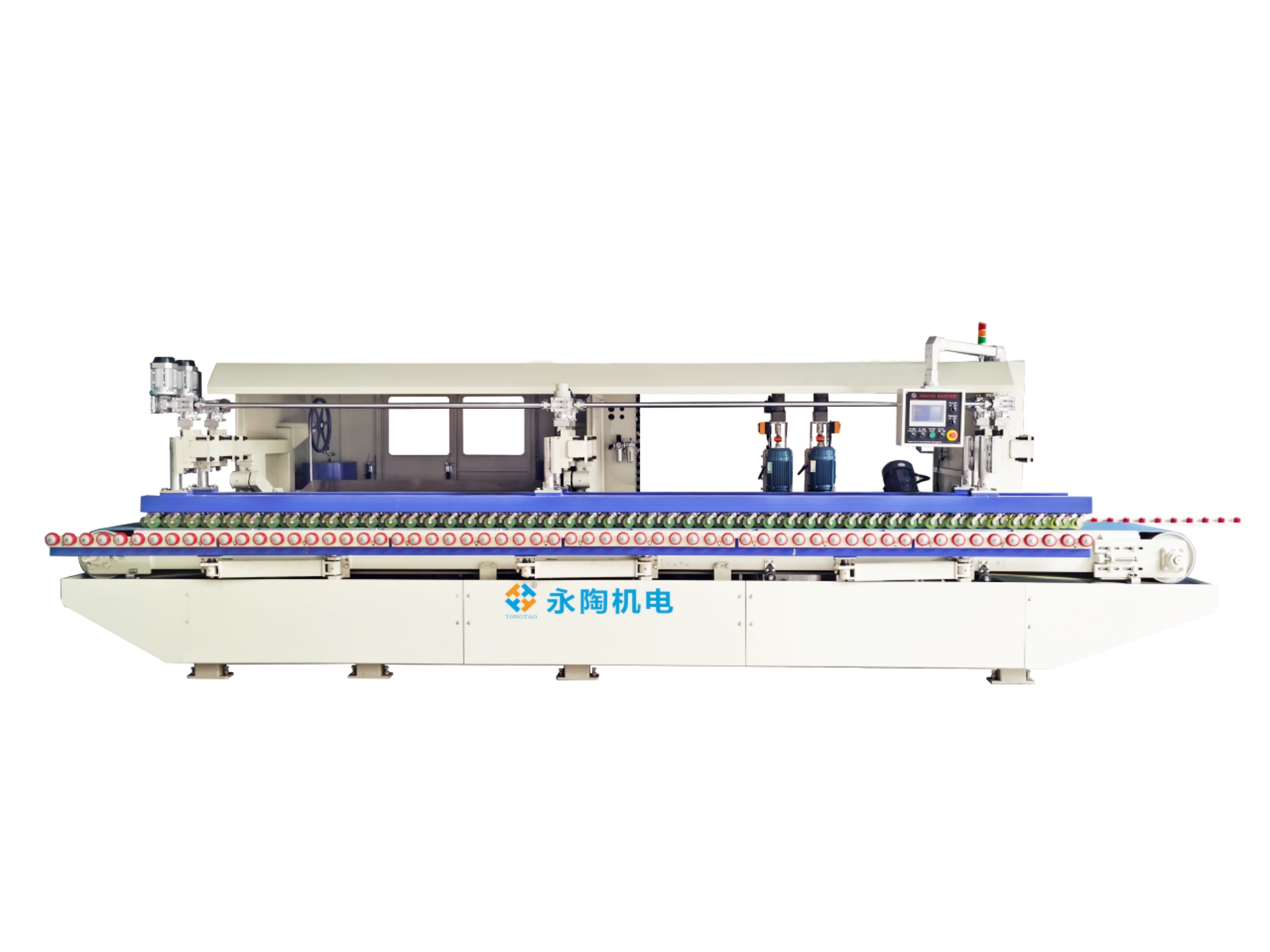
Use a dedicated edge-polishing solution when the product requires repeat straight, rounded, bullnose or beveled countertop edges.
Confirm the order of cutting, opening, mitre, profiling and polishing before layout and handling are finalized.
Test the visible result
For a useful sample, provide the actual quartz slab, sink or tap template, desired edge profile and 45-degree joint requirement. Check fit, surface condition and visible-edge quality after the complete process.
Send this information for a useful recommendation
- Quartz slab brand, thickness and maximum size
- Sink, tap and appliance opening drawings
- Required edge profile and visible sides
- 45-degree joint requirement where applicable
- Daily countertop output and material handling route
- Destination voltage and available water treatment
Yongtao can use these inputs to match the machine configuration, tooling, working size and sample-test scope to the real job.